

Always Be Building
A story about how I came out of Hackathon retirement


For the first time in a long time, I am both physically and mentally exhausted. Completely drained of all creative and intellectual energy, my feet and legs sore from standing all day, and my hands torn up from building and rebuilding circuits. How did I get into this state?
Yesterday, I attended ITP/IMA Stupid Hackathon, where creators gather to build fun, useless, ridiculous projects, such as last year’s viral project, the Vape Tamagotchi. When I was told about this event I figured it was time to come out of Hackathon Retirement. Luckily, this one was only 12 hours rather than the brain-melting 24-hour hackathons I have done in the past. I spent all day running circles around ITP’s bevy of labs, from a fully stocked soldering station, to a plush soft art lab, to an equipment room that was as if someone took inventory of all my hobbies and put them into a library.
So why did I, someone who is running a business focused on coaching and mentorship, prioritize building headphones that can only be heard by the people around the wearer, and not the wearer themselves? Especially when the majority of the skills required to do so were outside of my zone of expertise?
Because it was really, really fucking fun. Ok, and a few other reasons.
The entire week leading up to this event I was thinking about the most recent Job Seeker’s Weekly Group Meeting. During these sessions we do a round table of updates (a team standup essentially) and then have a discussion around a topic relevant to the cohort. This week the topic was “Always Be Building,” a philosophy I proselytize in my coaching practice.
Why We Build
It’s worth noting that my reason for encouraging constant coding is counter-intuitive. When asked “Should I build a personal project?” I’m typically quoted the following reasons:
Provide a portfolio project to demonstrate coding abilities
Learn new technologies to make up for gaps on resume
Create something complex as fodder for a project deep dive in an interview
I typically advise against all of this. At the end of the day, a project with no users, no stakeholders, no constraints, and no revenue will not show a hiring manager that you can do anything they need you to do in a professional environment. It’s low ROI, especially since the likelihood of an interview panel taking the time to review your GitHub projects with any sort of discernment is fairly low (unless they invited the submission of these materials.) And if by some chance you end up achieving users, scale, and revenue, you don’t have a personal project: You have a business, so why are we talking?
No, that isn’t why we build. We build things because it’s fun, and it feels good.
We build things because we need to remember that we can, when we’ve been spending our days cramming leetcode, editing resumes, and pretending like LinkedIn isn’t just barely more tolerable than Twitter (I’m still calling it that, deal with it.)
We build things to practice the 0->1 process. We do this by timeboxing our build to 2-4 hours depending on scope, and get as far as we can. The next day, we start again from scratch, until we can get the thing built in that timeframe.
We build things to create a sandbox in which we can experiment with different technologies and architectures, adding caches and reverse proxies and micro-services and job queues and alternative authentication methods, not because the project requires it, but because we want to know how to speak intelligently about these tools and concepts.
We build things because we need to know what it’s like to build not when we are told to, but when we see a need.
We build things because we literally don’t remember what it feels like to be an engineer, despite walking into interviews telling people we are on- we swear! We’re an engineer! Not an imposter! And at the end of the day, who are we trying to convince? Because if we can’t convince ourselves, forget convincing a hiring manager.
Why I Had To Hackathon
When I made coaching my full time job I promised myself that I wouldn’t be “hanging up my boots.” My experience building things is what bolsters my ability to help others in this industry, and I know I need to keep that part of my life active. So I did the one thing I hate doing the most: I woke up at 8am on a Saturday and ventured out to NYU’s Downtown Brooklyn campus.
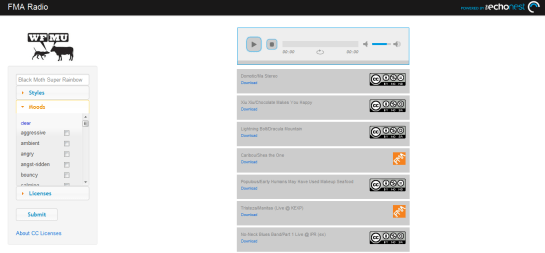
Showing up to the Hackathon I was teleported back to my college days, where I cut my creative technology teeth at the Echo Nest’s Music Hack Day events in Boston. At my first event I built Toscanini, an open source gestural MIDI controller. The following year my friend Jeremy Sawruk and I built FMA Radio, the Pandora for free music. I’d attended a few others over the years, and even hosted my own, but eventually I got busy with working and feeling too old for the marathon events.
These events start with a host of socially awkward nerds coyly puttering around the event space, trying to find co-conspirators. Eventually, when interests align, the group sets off and gets started. I was hoping to build some community in NY, having moved here just under 2 years ago, and wanted to be a part of a group of people with similar interests and different skills than myself.
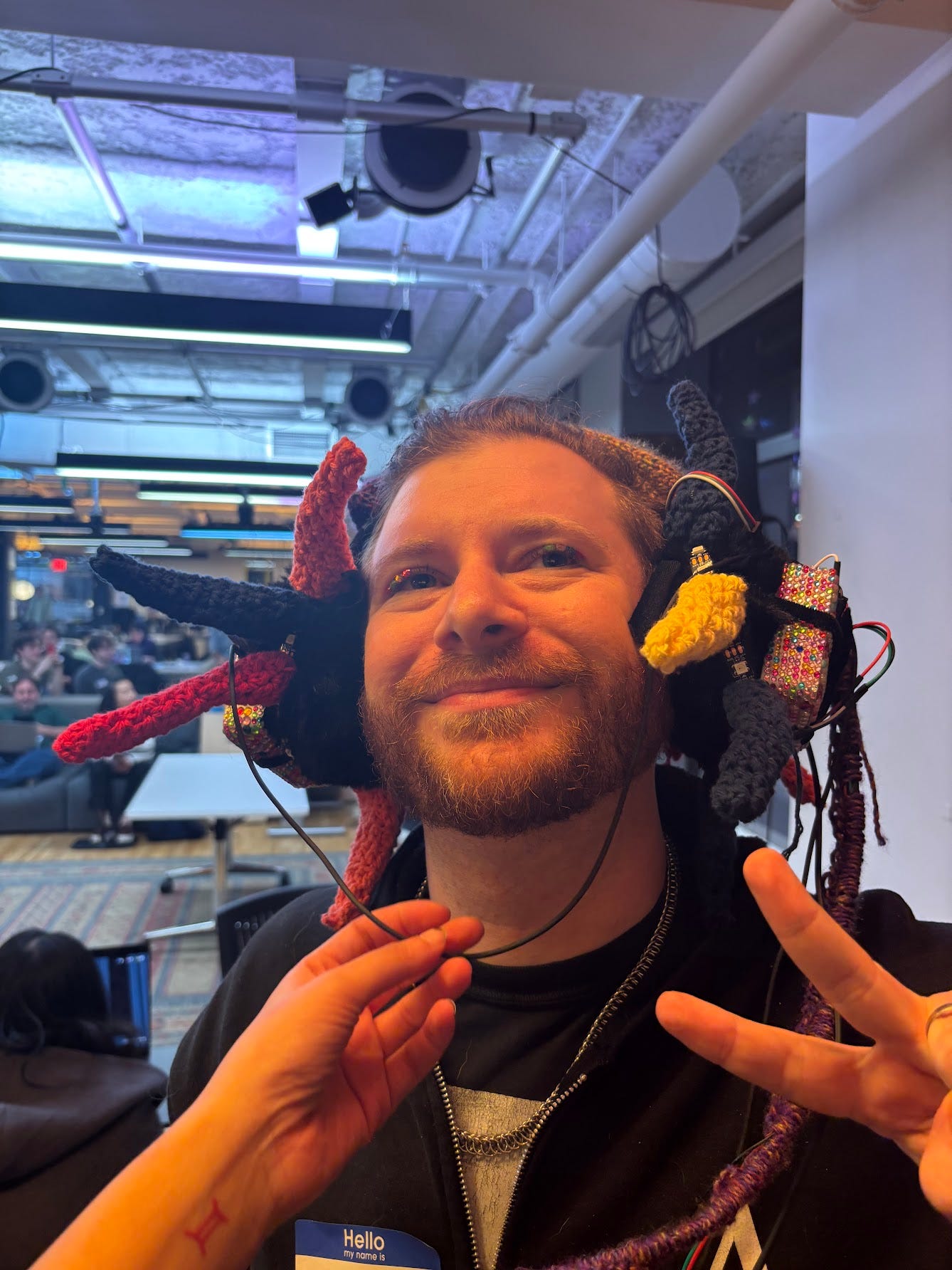
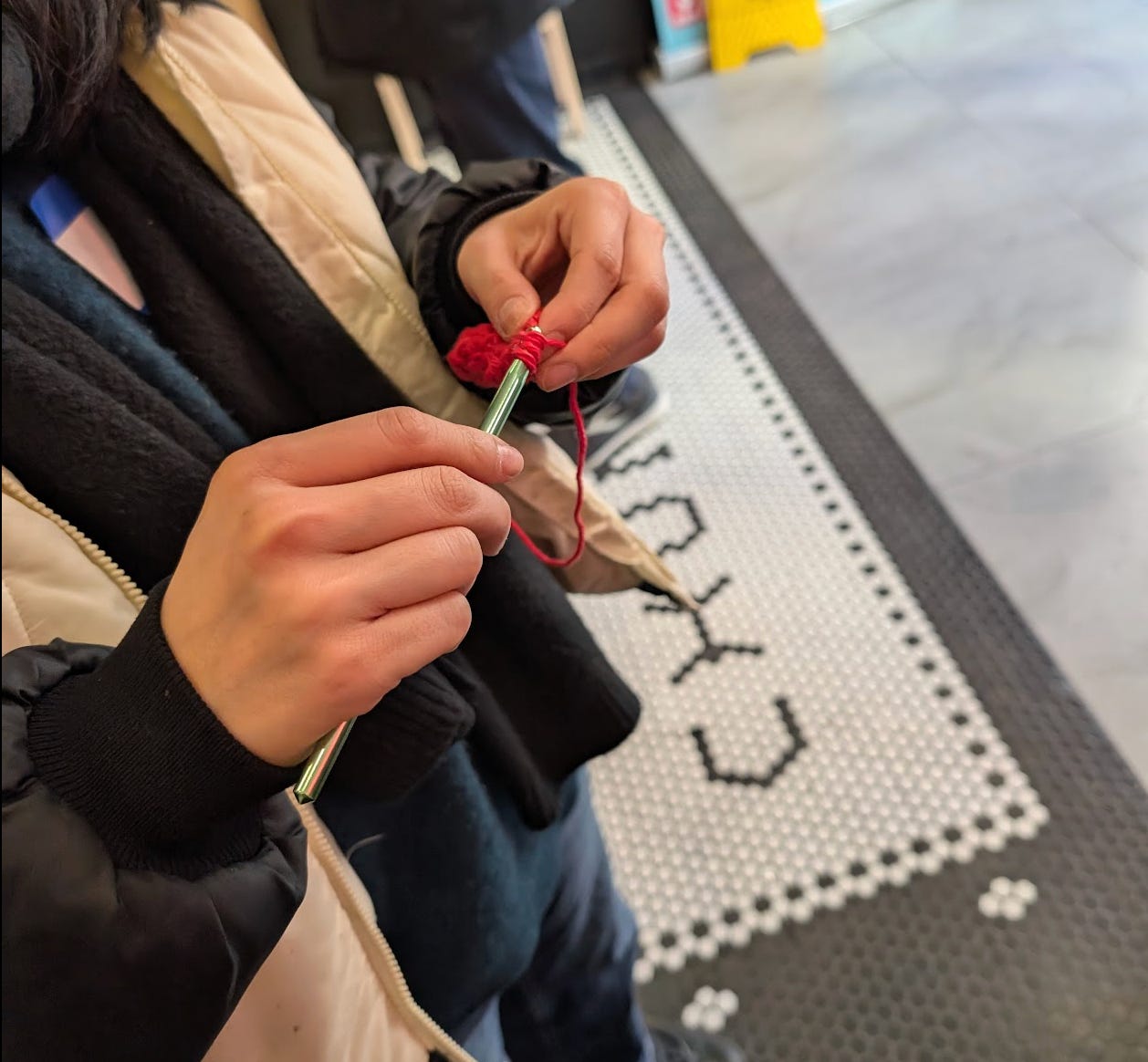
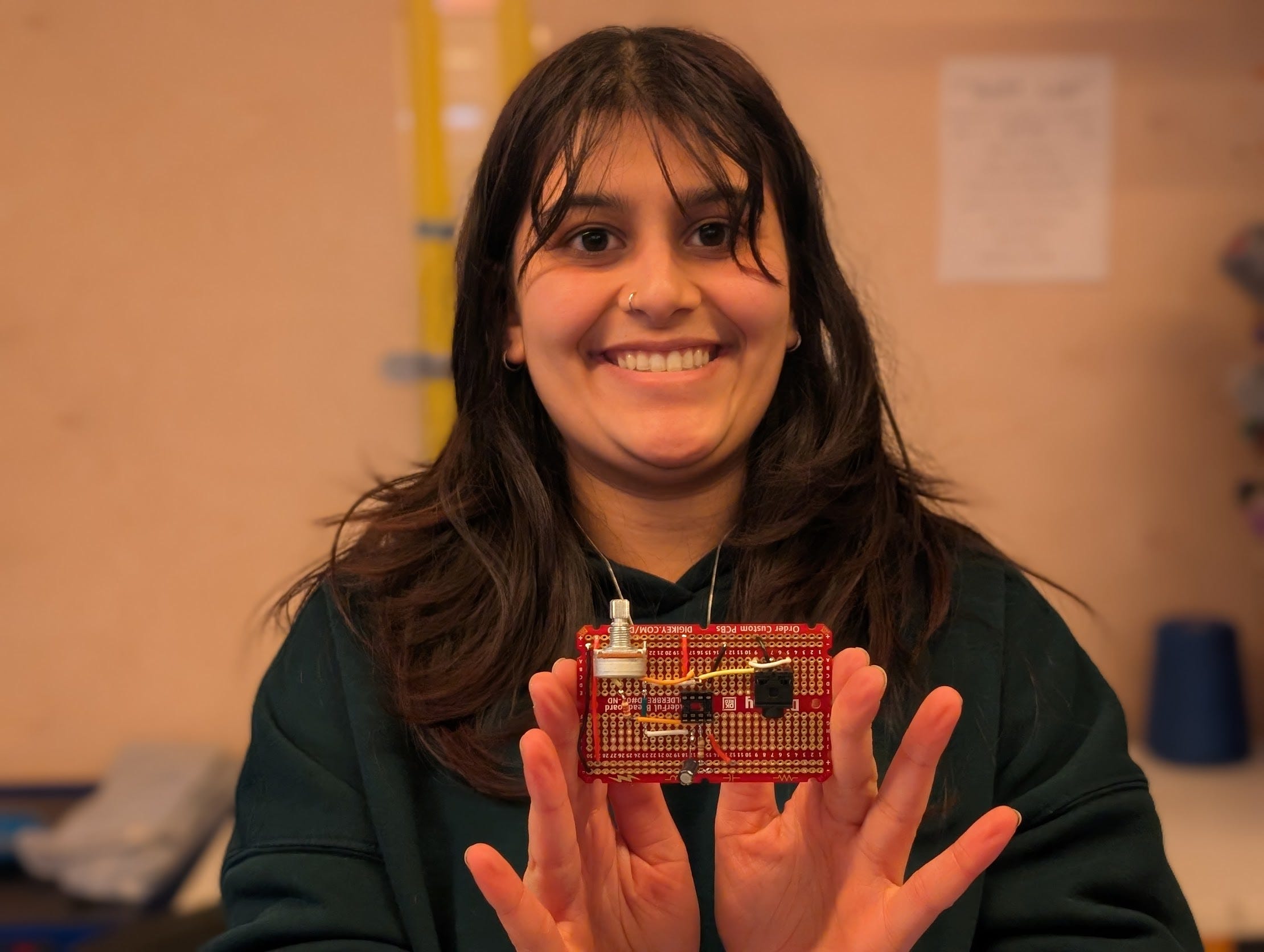
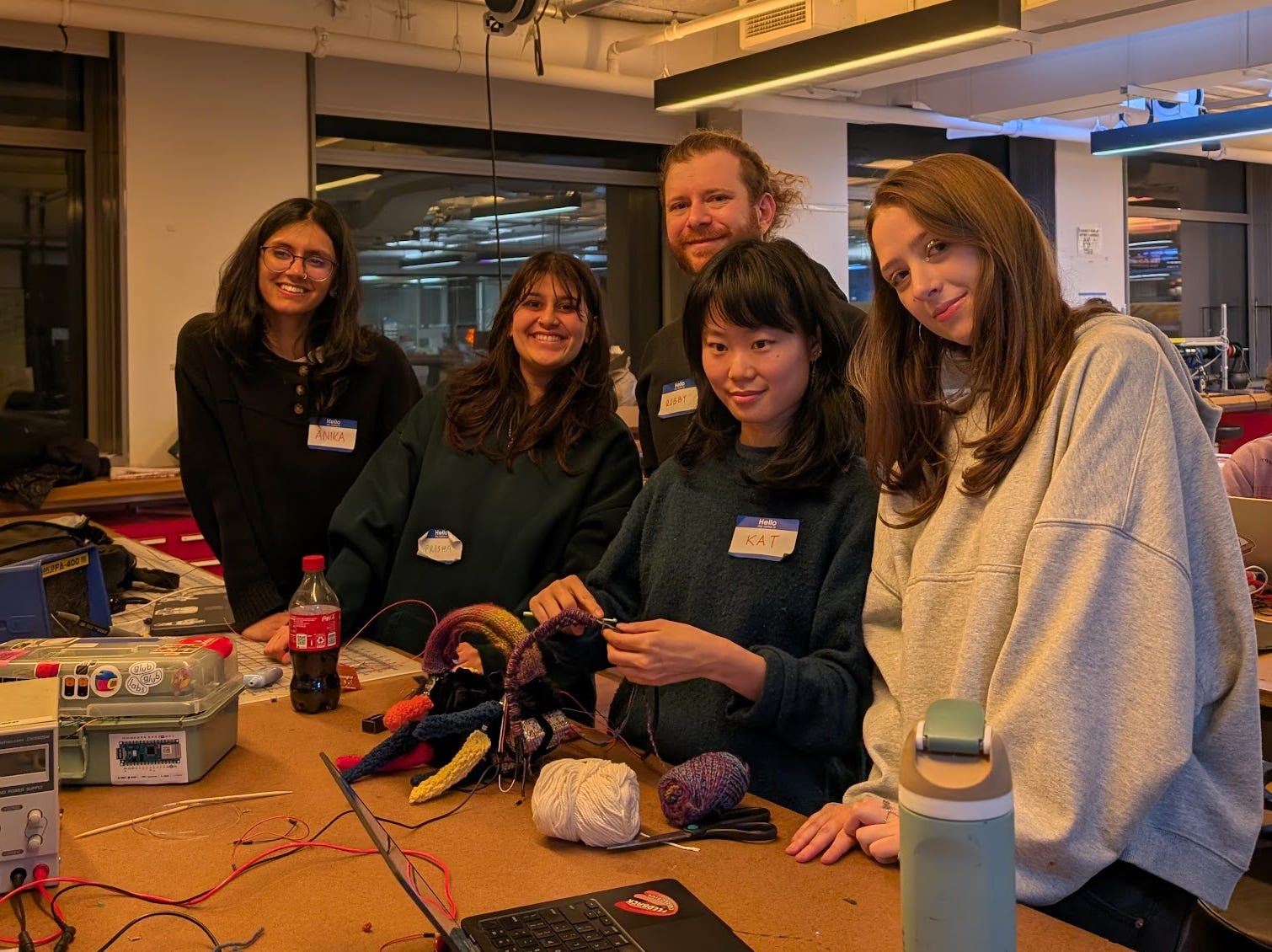
I joined 2 ITP/IMA students and 2 other civilians such as myself. The ITP student, Prisha, has experience in audio circuitry, which I have been trying to learn, and the others were more experienced in arts, specifically those of the soft nature (something I have been fascinated by but never tried myself.) As we set about executing on our Stupid Project, we were all learning from and teaching each other. We collaborated, hustled, bedazzled, and made sure to take a boba break while Kat impressed us with her ability to crochet on the go (gochet? ...sorry.) I was excited to dust off my Arduino IDE, and as IMA student Noelle and I rigged up microphone-reactive programmable LEDs.
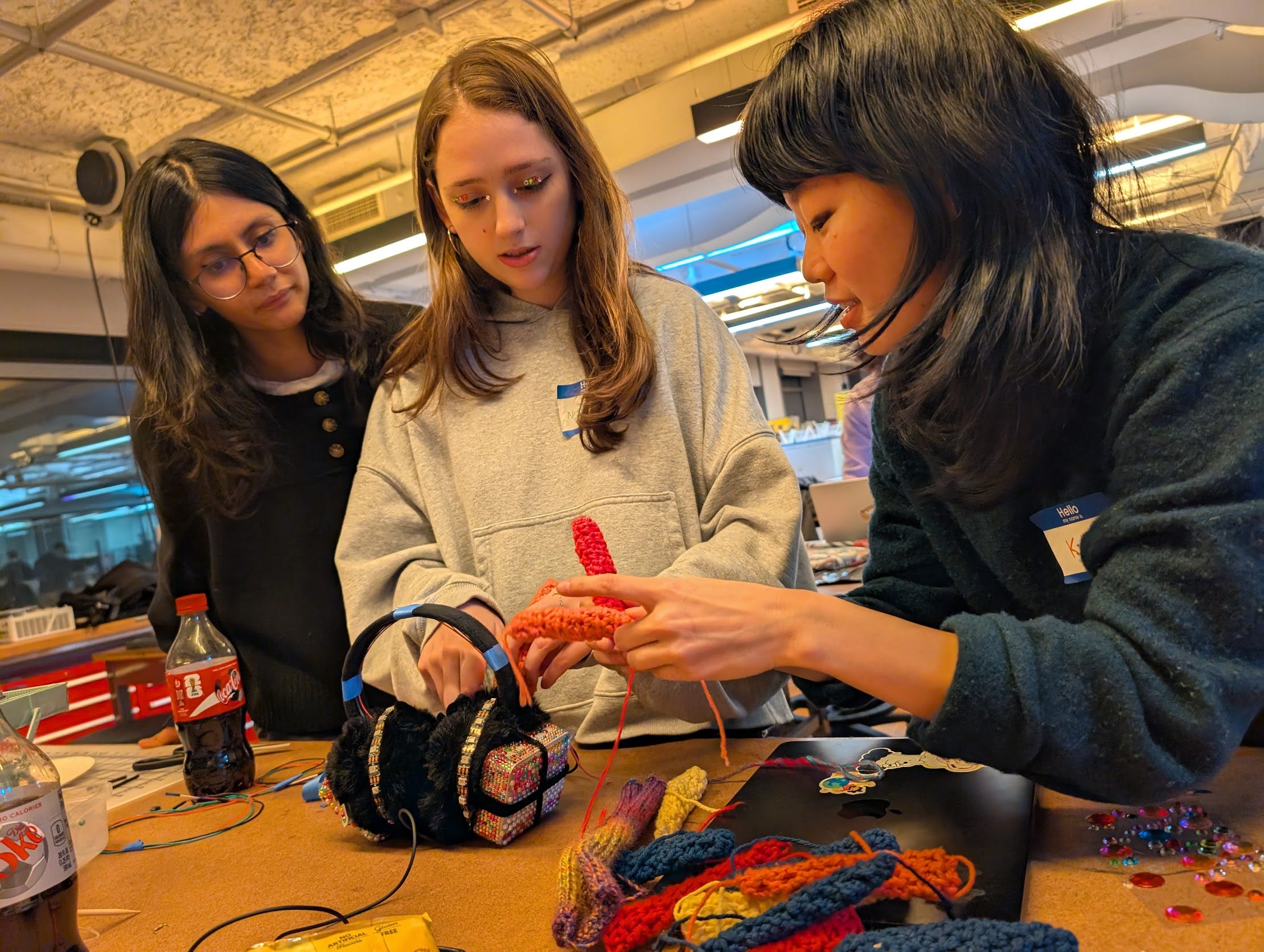
Coming out of this event I feel inspired to continue building. Sure I code most days of the week, building a dashboard for my clients and tools to support my business, but I’m inspired to create things just for the sake of creating them. I’ve found the confidence to finish that half-built amp with integrated fuzz circuits from sitting in my closet, and the I’ve found the inspiration to actually build the electronic instruments I bought components for years ago. And I’m eager to continue learning, growing, and collaborating, so I can influence others to do the same.
Mostly I just remembered how good it feels to have left nothing on the table, to be completely spent mentally and physically, and to have something to show for it.

Thank you for this Robby!! As a person looking for their next role for at least a few years, and with all this pressure to upskill to catch up to the industry expectations, your mention of why to code resonates with one of my reasons I got into this profession in the first place: because it was fun and it was interesting. Now I want to go to another coworking/hackathon type event now and just build with what I'm interested in.